Sump Pump & Flood Protection in Eltingville & Annadale, Staten Island
Defending below-grade basements against storm flooding, high groundwater tables, and street sewer surges across Eltingville, Annadale, and coastal South Shore Staten Island.
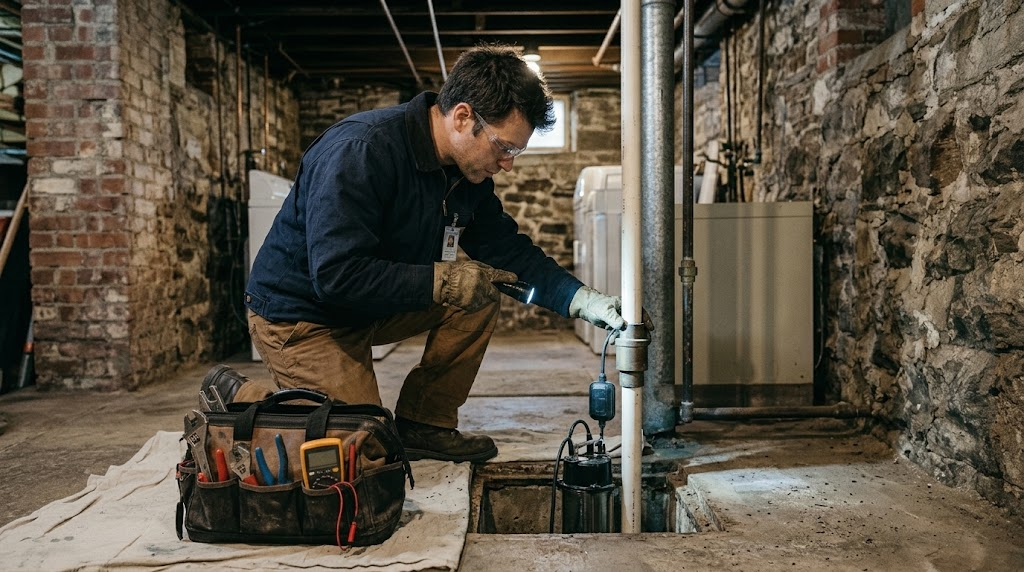
Protecting Finished Basements from Coastal Flooding
Homes throughout Eltingville and Annadale frequently feature finished basements, cellar home offices, and mechanical utility rooms housing costly boilers, water heaters, and electrical panels. Given the South Shore's proximity to Raritan Bay and seasonal nor'easters, groundwater tables rise rapidly during sustained rainfall, placing hydrostatic pressure against foundation footings.
When groundwater forces its way through hairline slab cracks, a dependable sump pump is your property's primary line of defense. When property owners require sump pump repair Eltingville and Annadale Staten Island, our technicians diagnose pump motor hums, replace stuck vertical float switches, and install commercial-grade cast-iron submersible units that run reliably for years.
Primary Submersible Pumps vs. Battery Backup Protection
A primary electric sump pump is only as good as the electrical grid powering it. Unfortunately, intense coastal storm events that bring several inches of rainfall are precisely when municipal power outages occur. If your electric pump loses power during a torrential storm, a basement can flood within hours.
We install dual-pump protection systems featuring a heavy-duty 1/2 HP primary submersible pump paired with an auxiliary DC battery backup pump. Operating from a sealed deep-cycle marine AGM battery, the backup pump activates automatically the instant grid power fails or if the primary pump cannot keep pace with water inflow, pumping thousands of gallons safely outside.
Backwater Valves: Stopping Municipal Sewer Surges
It is vital to distinguish groundwater intrusion from municipal sewer surcharges. During heavy cloudbursts, municipal storm and combined sewer mains beneath neighborhood streets can become overwhelmed. Water pressure in the street main forces raw sewage backward up your private lateral pipe, flooding basement floor drains, sinks, and laundry tubs.
A backwater valve solves this hazard permanently. Installed directly inline on the main building drain before it exits the foundation wall, the backwater valve contains an internal buoyant flapper. During normal conditions, household gravity waste flows freely out. When municipal sewage surges backward, the flapper automatically seals shut, creating a positive mechanical barrier that protects your home.
Basement Electrical Safety Guidance
If water is actively entering your cellar and reaches electrical outlets, furnace controls, or extension cords, never step into standing water. Electrocution is a serious hazard in flooded basements. Disconnect power at the main electrical breaker panel from a dry location before inspecting any mechanical equipment.
For outdoor pipe diagnostics, review our sewer line repair, learn about drain maintenance on our drain cleaning page, or explore cross-connection safety on our backflow prevention page.
Frequently Asked Questions About Sump Pump Service
Why is a battery backup sump pump critical for South Shore Staten Island basements?
Intense coastal nor'easters and tropical downpours frequently knock out grid electrical power simultaneously with peak rainfall. A primary electric sump pump ceases operating immediately when power fails. A dedicated battery backup pump kicks on automatically, pumping thousands of gallons per hour for days off a deep-cycle marine battery, keeping your basement completely dry.
What is the difference between a sump pump and a backwater valve?
A sump pump manages groundwater seeping through basement foundation footings and soil into an internal pit. A sewer backwater valve is installed directly on your main building drain; when the municipal sewer main in the street becomes surcharged with storm runoff, the valve's mechanical flapper automatically floats shut, preventing raw sewage from flooding backward into your basement floor drains.
How often should a residential sump pump be tested and inspected?
Homeowners should test their sump pump every 3 to 4 months and immediately before seasonal stormy periods by pouring five gallons of water into the basin to verify that the mechanical float switch moves freely, the check valve prevents back-rush, and water discharges smoothly outside.
Explore our local service radius on our service areas page or reach out on our contact page.